

- Introduction
- Importance of Nitrogen in the Pharmaceutical Industry
- Forms of Nitrogen Used: Gas vs. Liquid
- Applications of Nitrogen in Pharmaceutical Manufacturing
- Nitrogen Gas Specifications as per USP & ISO Guidelines
- Methods of Nitrogen Supply in the Pharmaceutical Industry
- Advantages of On-Site Nitrogen Generation
- Conclusion & Call-to-Action
1. Introduction
Nitrogen plays a vital role in the pharmaceutical industry, ensuring the safety, stability, and effectiveness of various medical products. It is widely used in different manufacturing and storage processes due to its inert nature, which prevents oxidation and contamination. Understanding the importance of nitrogen, its applications, and supply methods helps pharmaceutical companies maintain high-quality production standards while meeting regulatory guidelines.
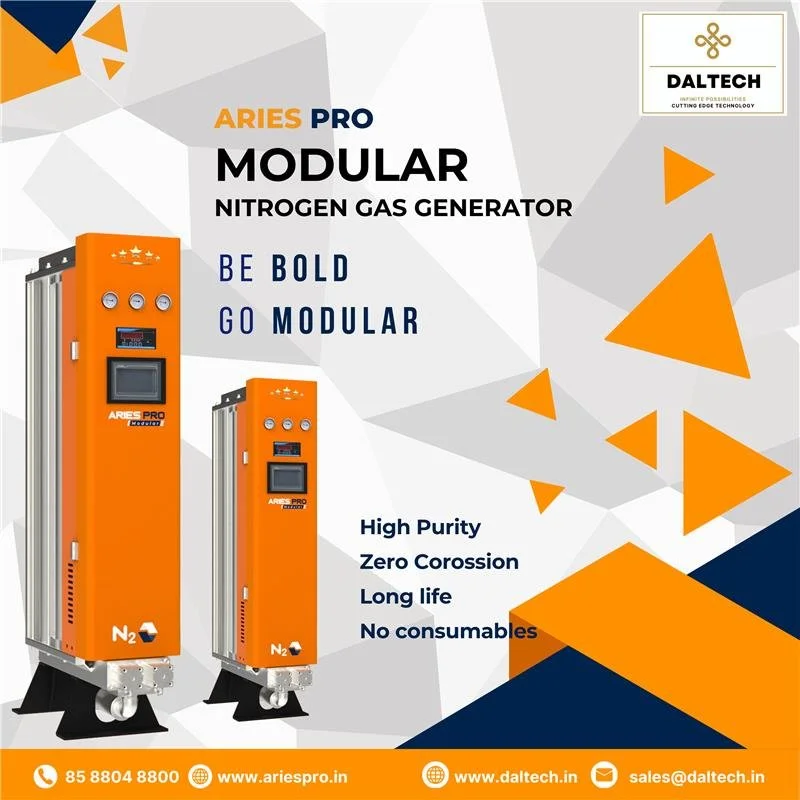
💊 Our Product: Nitrogen Generators – Reliable and efficient nitrogen supply solutions tailored for pharmaceutical applications.
2. Importance of Nitrogen in the Pharmaceutical Industry
Nitrogen is essential for the pharmaceutical industry because:
These properties make nitrogen a critical component in pharmaceutical packaging, laboratory processes, and manufacturing.
🏭 Our Product: Industrial Nitrogen Generation Systems – Designed to support pharmaceutical-grade nitrogen applications.
3. Forms of Nitrogen Used: Gas vs. Liquid
Pharmaceutical industries use nitrogen in two primary forms:
Nitrogen Gas
Used for blanketing, purging, and packaging. Typically generated on-site via PSA or membrane nitrogen generators.
Liquid Nitrogen
Used for cryopreservation and freeze-drying (lyophilization) processes.
Each form has specific applications depending on the manufacturing and storage needs.
❄️ Our Product: Cryogenic Nitrogen Solutions – Advanced solutions for liquid nitrogen applications in pharmaceuticals.
4. Applications of Nitrogen in Pharmaceutical Manufacturing
Inerting and Blanketing
Nitrogen creates an inert atmosphere inside containers, tanks, and production equipment to prevent oxidation and degradation of oxygen-sensitive medicines.
Nitrogen Blanketing SystemsPurging and Sparging
Used in injectable drug manufacturing, nitrogen eliminates dissolved oxygen from solutions, reducing the risk of oxidation.
Freeze Drying (Lyophilization)
Nitrogen helps maintain low pressure and temperature, essential for the freeze-drying process of vaccines and biopharmaceuticals.
Controlled Atmosphere Storage (CAS)
Nitrogen is used in storage environments to displace oxygen, slowing down degradation processes in bulk drugs and raw materials.
Modified Atmosphere Packaging (MAP)
This technique replaces oxygen with nitrogen inside medicine packaging, enhancing product shelf life and preserving effectiveness.
5. Nitrogen Gas Specifications as per USP & ISO Guidelines
📋 Nitrogen Gas Specification as per USP
The United States Pharmacopeia (USP) classifies nitrogen based on its purity levels and intended use:
- Medical-Grade Nitrogen: Used in hospitals and medical procedures.
- Nitrogen with Low Oxygen Content: Used in inerting oxygen-sensitive pharmaceuticals.
- USP Requirement: Purity of 99.5% with no specific parameters for water, oil, or particle content.
📋 ISO Guidelines for Nitrogen Gas in the Pharmaceutical Industry
- ISO 8573-1:2010: Defines purity classes for nitrogen gas, ensuring it meets pharmaceutical manufacturing standards.
- Class 2 or Higher: Required to exclude particles > 5µm and limit microbial contamination.
- Microbiological Limits: Determined based on the cleanroom classification where nitrogen is applied.
6. Methods of Nitrogen Supply in the Pharmaceutical Industry
Pharmaceutical companies obtain nitrogen through the following methods:
Cylinder Supply
Delivered in high-pressure cylinders. Suitable for small-scale applications. High recurring costs and risk of supply disruption.
Bulk Liquid Supply
Stored in large cryogenic tanks and vaporized as needed. Requires infrastructure and space. Potential for evaporation losses.
On-Site Nitrogen Generation
PSA & Membrane Generators provide continuous supply. Cost-effective, eco-friendly, offers purity up to 99.999%.
⚙️ Our Product: On-Site Nitrogen Generators – Deliver a reliable, high-purity nitrogen supply for pharmaceutical applications.
7. Advantages of On-Site Nitrogen Generation
Using Pressure Swing Adsorption (PSA) and Membrane Nitrogen Generators in pharmaceutical facilities offers several benefits:
🔬 Our Product: PSA Nitrogen Generators – Designed for cost-effective and sustainable nitrogen generation in the pharmaceutical industry.
8. Conclusion & Call-to-Action
Nitrogen gas plays a crucial role in the pharmaceutical industry by enhancing product safety, maintaining quality, and preventing oxidation. With increasing regulatory requirements, pharmaceutical manufacturers rely on on-site nitrogen generators to ensure a consistent and cost-effective nitrogen supply. Adhering to USP and ISO guidelines helps pharmaceutical companies maintain the highest industry standards while benefiting from efficient production and sustainable operations.
📞 Looking for the best nitrogen generation system for your pharmaceutical needs? Contact us today for expert guidance and tailored solutions!
Need a Reliable Nitrogen Supply for Your Pharma Facility?
Contact AriesPro today to learn more about our nitrogen generation solutions for the pharmaceutical industry.
Contact AriesPro Experts